
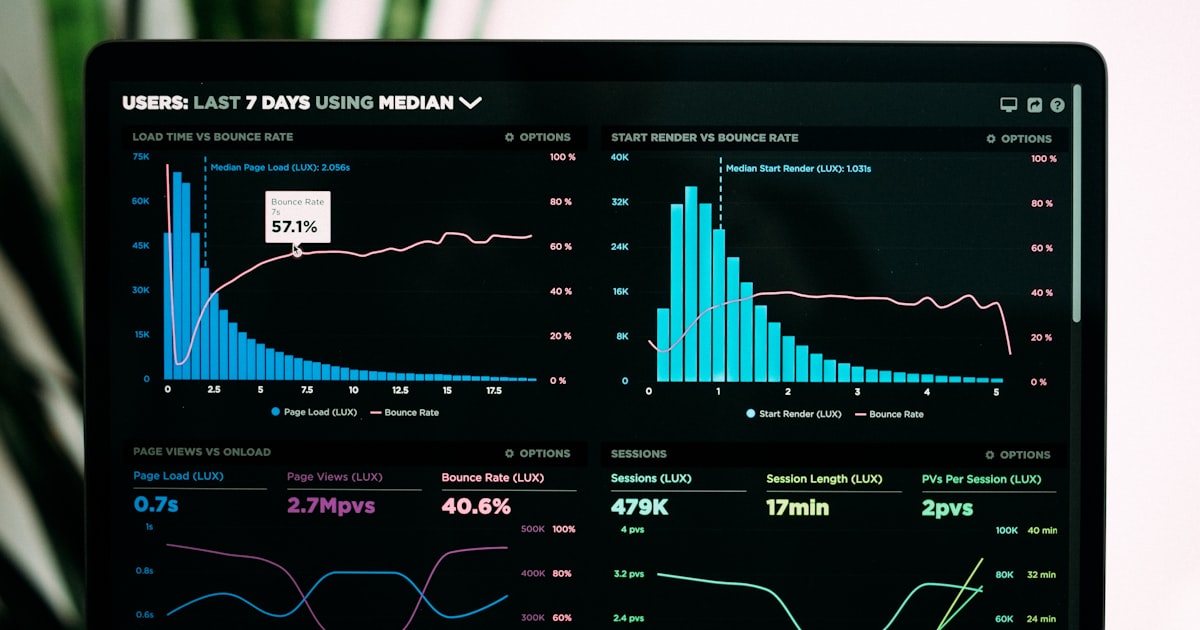
Short answer: Google ranking factors in 2026 come down to helpful, experience-backed content, strong topical authority, quality backlinks, fast Core Web Vitals, mobile usability, and clear structure. No single factor guarantees rank one; consistent signals across content, links, and technical health win.
Every year marketers ask the same question: what actually moves the needle on Google? Google uses hundreds of signals, but most of them roll up into a handful of themes. If you get the big themes right, the small ones tend to follow. This guide breaks down the ranking factors that genuinely matter in 2026, what changed with AI Overviews and AI Mode, and how to prioritise your effort so you are not chasing myths.
The factors that actually matter in 2026
Google's own guidance keeps returning to one idea: create helpful, reliable, people-first content. Around that core sit technical and off-page signals. Here is how the weight breaks down in practice.
| Factor group | What it covers | Priority |
|---|---|---|
| Content quality & helpfulness | Depth, originality, E-E-A-T, search-intent match | Very high |
| Topical authority | Covering a topic completely with internal links | High |
| Backlinks | Relevant, editorial links from trusted sites | High |
| Core Web Vitals & speed | LCP, INP, CLS, mobile performance | Medium-high |
| Mobile usability | Mobile-first indexing, tap targets, readability | High |
| Structured data & clarity | Schema, headings, clean HTML | Medium |
| User engagement signals | Satisfying results so users do not bounce back | Medium |
1. Helpful, people-first content
Since the helpful content system was folded into the core algorithm, thin or purely SEO-driven pages struggle. Google rewards content that clearly answers the query, adds something competitors miss, and reads like it was written by someone with real experience. Ask yourself: would this page satisfy a reader if search engines did not exist? If not, rewrite it.
E-E-A-T: Experience, Expertise, Authoritativeness, Trust
E-E-A-T is not a direct score, but the signals behind it are real. First-hand experience, named authors with credentials, citations, and an honest tone all help — especially for money-and-your-life topics like finance, health, and security. Show who wrote the page and why they are qualified.
2. Search intent match
Ranking is impossible if you answer the wrong question. Before writing, check what already ranks: is it a how-to, a list, a comparison, or a product page? Match that format. A commercial keyword needs a page that helps people decide or buy, not a 3,000-word essay.
3. Topical authority and internal linking
Google rewards sites that cover a subject thoroughly. Instead of one page on a topic, build a cluster: a pillar page plus supporting articles that interlink. This tells Google you are a genuine authority. Strong internal linking also spreads ranking equity and helps crawlers understand structure. If you are building a service business, pairing content clusters with strong local pages like an IT company in Delhi hub reinforces relevance.
4. Backlinks still matter
Links remain one of the strongest off-page signals, but quality beats quantity by a wide margin. A few editorial links from relevant, trusted Indian and global sites outperform hundreds of spammy directory links. Focus on digital PR, genuine partnerships, guest content, and being cited as a source. Avoid paid link schemes — they risk manual actions.
5. Core Web Vitals and page experience
Page experience is a tiebreaker more than a primary driver, but a slow site loses users and rankings. The three metrics to watch:
- LCP (Largest Contentful Paint): aim under 2.5 seconds.
- INP (Interaction to Next Paint): aim under 200 ms — this replaced FID.
- CLS (Cumulative Layout Shift): aim under 0.1.
Compress images, use modern formats like WebP, lazy-load below-the-fold media, and minimise render-blocking scripts. On budget Android phones common across India, performance gains translate directly into better rankings and conversions.
6. Mobile-first everything
Google indexes the mobile version of your site. If your mobile experience is stripped-down or broken, that is what gets ranked. Test on real devices, keep tap targets large, and make text readable without zooming.
7. AI Overviews and GEO
In 2026, a growing share of searches show AI Overviews or happen inside AI assistants like ChatGPT, Gemini, and Perplexity. To be cited, write clear, factual passages, answer questions directly near the top, use structured data, and keep information current. This is Generative Engine Optimization (GEO), and it rewards many of the same fundamentals as classic SEO. Learn the basics in our guide to what is SEO.
8. Freshness and content maintenance
For many topics, especially fast-moving ones like technology, finance, and SEO itself, freshness is a genuine signal. A page last updated three years ago competes poorly against one revised this quarter. This does not mean changing dates for the sake of it — Google can tell. It means genuinely revisiting content: updating statistics, adding new developments, removing outdated advice, and improving weak sections. A regular content-refresh schedule often recovers lost rankings faster than publishing brand-new pages.
9. Brand signals and search demand
Google increasingly favours recognised brands. When people search for your brand name directly, link to you naturally, and mention you across the web, these signals build trust. You cannot fake this overnight, but consistent quality, PR, and a real presence on relevant platforms compound over time. For Indian businesses, being active in local communities, industry forums, and reputable directories all feed this brand layer.
10. Technical foundations that support everything
None of the above matters if Google cannot crawl and index your site. Ensure a clean site architecture, a valid XML sitemap, sensible use of canonical tags, HTTPS across the whole domain, and no accidental noindex directives on important pages. These are not glamorous, but a single misconfigured robots.txt or canonical can quietly de-rank an entire section of your site. Audit these fundamentals regularly.
Myths to ignore
- Exact keyword density: there is no magic percentage. Write naturally.
- Meta keywords tag: Google ignores it entirely.
- Publishing daily just for frequency: quality beats volume.
- Buying links for fast rank: risky and often penalised.
- Domain age as a direct factor: older domains often rank due to accumulated links and content, not age itself.
- Secret ranking hacks: anyone selling a guaranteed shortcut is selling risk.
How user engagement fits in
Google does not publish exactly how it uses behaviour, but it clearly wants to serve results that satisfy searchers. If people click your result and quickly return to search for the same thing, that is a poor sign; if they stay, read, and do not need another result, that is a good one. You cannot game this directly, but you influence it by matching intent precisely, making pages easy to scan, loading fast, and delivering on the promise of your title. Satisfied users are the ultimate ranking signal because they are what every other signal is trying to predict.
Local and regional relevance
For businesses serving a specific area, location relevance is a major factor. Google weighs proximity, a complete Google Business Profile, consistent local citations, and location-specific content. An Indian business targeting city or "near me" searches can often outrank far larger national brands by getting these local signals right. This is one area where smaller players genuinely compete on equal footing.
How to prioritise your effort
If you have limited time, work in this order: fix intent and content quality, build topical clusters, earn a few strong links, then tune speed and schema. Trying to perfect Core Web Vitals while your content is thin is wasted effort. Do the high-leverage work first, measure the results in Search Console, and only then move down the list. Most sites see the biggest gains from simply making their content genuinely more useful than what currently ranks.
Getting help from Cyber Defence
Cyber Defence is a Hisar-based SEO, AI-SEO, and digital-marketing agency working remotely with clients across India. Founded by Amit Kumar (CEH, CRTA, and AI-SEO specialist), we focus on the factors that actually move rankings rather than gimmicks. Our SEO and AI-SEO plans start at Rs 15,000/month, Google Ads management from Rs 10,000/month plus ad spend, and social and content packages from Rs 12,000/month. We are ISO-certified and GeM-registered. Note honestly: SEO takes months, not days, and no agency can guarantee a specific position. We also run an SEO and AI-SEO course for teams who want to build the skill in-house. Explore our courses or see how we help a digital marketing agency in Hyderabad style client. Call +91-75175-72000 to talk strategy.
FAQ
How many ranking factors does Google use?
Google has said it uses hundreds of signals, but they roll up into a few themes: helpful content, topical authority, backlinks, technical health, and page experience. Focus on the themes, not chasing every micro-signal.
Is content or backlinks more important?
Both matter, but content and intent match come first. Without a genuinely helpful page, links have little to amplify. Build the page, then earn links to it.
Do Core Web Vitals guarantee higher rankings?
No. They act as a tiebreaker and improve user experience. Great speed will not rescue weak content, but poor speed can drag down an otherwise strong page.
How long does it take to see ranking improvements?
Typically a few months for competitive terms. New sites and tough keywords take longer. Anyone promising first-page results in days is not being honest.
What is GEO and does it replace SEO?
GEO is optimising to be cited in AI answers. It complements SEO rather than replacing it, and rewards the same fundamentals: clarity, accuracy, and authority.
Can Cyber Defence guarantee a number-one ranking?
No honest agency can. We commit to sound strategy, transparent reporting, and steady improvement. Call +91-75175-72000 to discuss a realistic plan for your business.